
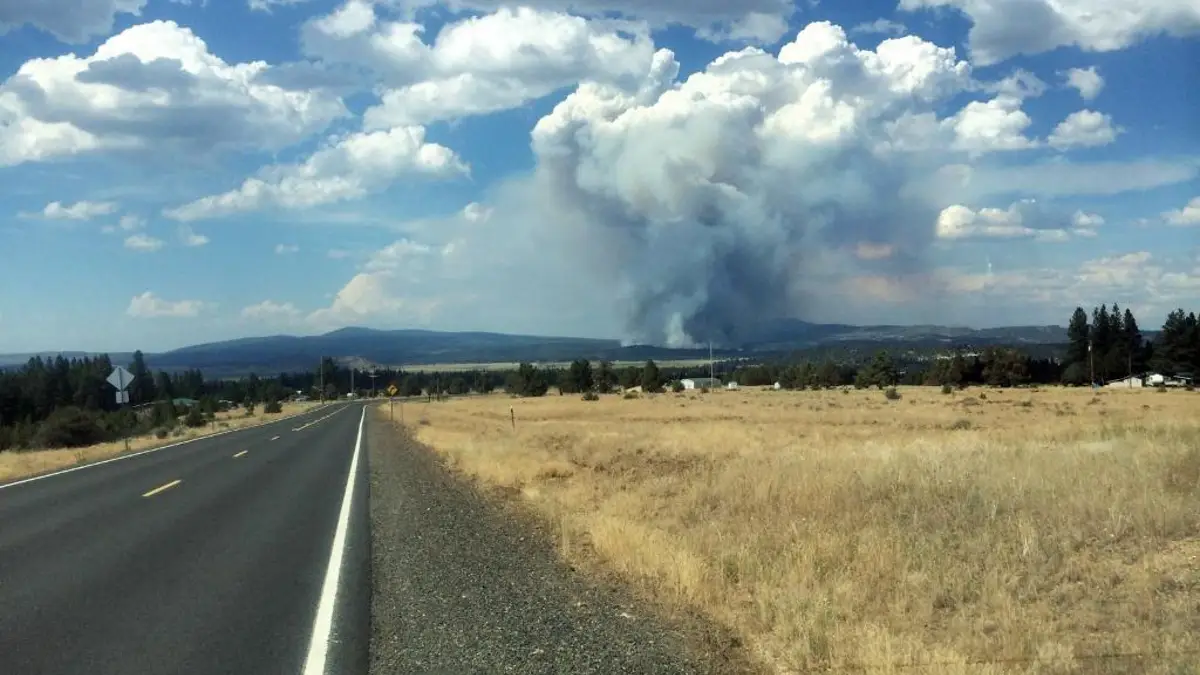
Received a Non-Renewal Notice? Your Options in Oregon's Wildfire Insurance Market

Received a Non-Renewal Notice? Your Options in Oregon's Wildfire Insurance Market
Opening a non-renewal notice from your homeowners insurance carrier is one of the most stressful experiences a homeowner can face. For Central Oregon residents in wildfire-prone areas, it is also an increasingly common one. If you have received a non-renewal notice — or if you are concerned that one may be coming — this article explains your rights, your options, and the steps you should take immediately.
Understanding Your Rights Under Oregon Law
Oregon law provides important protections for homeowners facing non-renewal. Carriers are required to provide advance written notice of non-renewal — typically 30 to 60 days before the policy expiration date — giving you time to secure replacement coverage. Carriers cannot cancel a policy mid-term except for specific reasons such as non-payment of premium or material misrepresentation on the application. A non-renewal at the end of a policy term is different from a cancellation and does not reflect any wrongdoing on your part.
The notice must explain the reason for non-renewal. In most wildfire-related cases, the reason will reference the property's location in a high-risk fire zone or a change in the carrier's underwriting guidelines for the area. This is important to understand: the non-renewal is typically a geographic or portfolio decision by the carrier, not a reflection of your individual claims history or property condition.
Option 1: Specialty Admitted Carriers
The first and best option for most homeowners is to seek coverage from a specialty admitted carrier — an insurance company that is licensed in Oregon and specializes in high-risk or non-standard properties. Several admitted carriers actively write homeowners policies in Oregon's fire-prone areas, including properties that standard carriers have declined. Admitted carriers are regulated by the Oregon Insurance Division, which means their rates are filed and approved and their claims practices are subject to state oversight.
<strong>Insure Pacific</strong> works with multiple specialty admitted carriers and can quickly assess which ones are currently writing policies in your ZIP code and at what terms. This is the most important advantage of working with an independent agency: we are not limited to one carrier's appetite and can shop your risk across multiple markets simultaneously.
Option 2: Surplus Lines Markets
If admitted carriers are not available or their terms are unacceptable, surplus lines (non-admitted) carriers represent the next option. Surplus lines carriers are not licensed in Oregon but are authorized to write coverage for risks that the admitted market declines. They are not subject to Oregon's rate filing requirements, which means their pricing can be more flexible — but also potentially higher. Claims handling is still subject to Oregon law, and surplus lines carriers must meet financial strength requirements.
Surplus lines coverage is a legitimate and widely used option for high-risk properties. Many of the most financially strong specialty insurers operate in the surplus lines market. <strong>Insure Pacific</strong> is licensed to place surplus lines coverage and can access these markets on your behalf.
Option 3: The Oregon FAIR Plan
The Oregon FAIR Plan is the state's insurer of last resort — a program created by the Legislature to ensure that no Oregon homeowner is left completely without fire insurance. FAIR Plan coverage is basic: it covers the dwelling structure for fire and certain other perils, but does not include liability coverage, personal property, or additional living expenses. It is also typically more expensive than comparable coverage in the standard market.
The FAIR Plan should be viewed as a safety net, not a long-term solution. If you are placed in the FAIR Plan, the goal should be to document mitigation work and improve your property's risk profile so that you can qualify for standard or specialty market coverage within 12 to 24 months.
The Path Back to the Standard Market
For homeowners who have been non-renewed or placed in the FAIR Plan, the most effective path back to the standard market is documented fire mitigation. Completing the IBHS Wildfire Prepared certification, installing ember-resistant vents, clearing defensible space, and replacing combustible roofing are all steps that can improve your insurability. Bring this documentation to your <strong>Insure Pacific</strong> agent at each renewal — we will present it to carriers on your behalf and advocate for the best possible terms.
At <strong>Insure Pacific</strong>, we have helped Central Oregon homeowners navigate non-renewals and find replacement coverage for decades. If you have received a non-renewal notice or are concerned about your current coverage, call us today. We will assess your situation, explain your options, and help you secure the protection your home deserves.
Get in Touch
Ready to protect what matters most? Contact us today for a no-obligation insurance review. Our experienced agents are here to help you find the right coverage for your needs.



Monica
Insurance Specialist
Hi there! 👋
I'm the AI version of Monica here at Insure Pacific!
Ask me anything about insurance — home, auto, farm, commercial, wildfire, and more. I can answer your questions directly or connect you with one of our agents.